
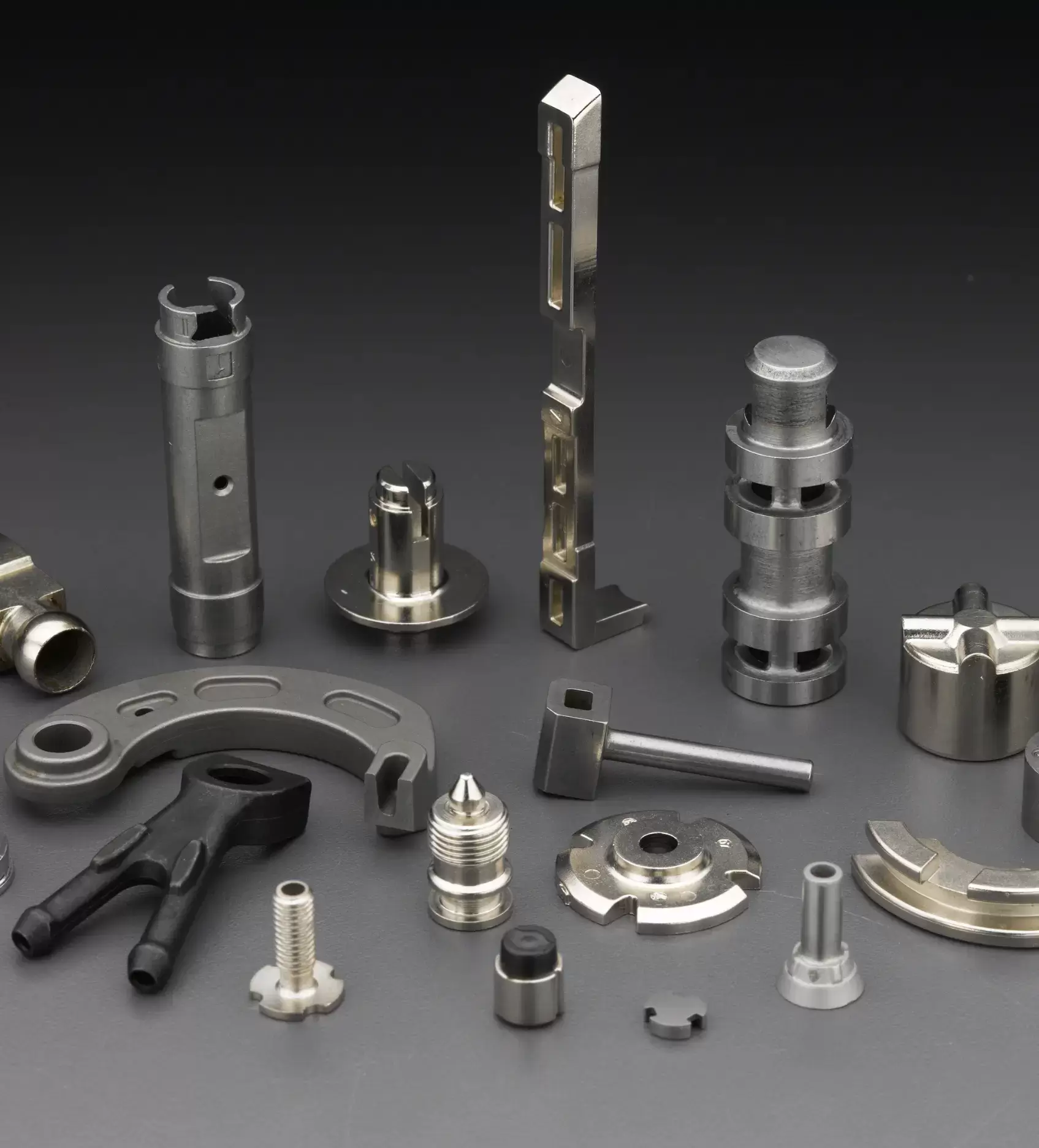
Stainless steel components are crafted from a diverse range of materials and alloys, each tailored to suit specific performance requirements. Austenitic stainless steel, exemplified by grades like 304 and 316, offers exceptional corrosion resistance and mechanical properties, finding utility across industries from food processing to medical equipment. Ferritic stainless steel, boasting good corrosion resistance and magnetic properties, is commonly employed in automotive exhaust systems and architectural elements.
Stainless steel components offer a variety of features and advantages that make them highly desirable for numerous applications across various industries.
Stainless steel is renowned for its exceptional corrosion resistance, making it ideal for applications where exposure to moisture, chemicals, or harsh environments is a concern. This resistance to corrosion helps extend the lifespan of components and reduces maintenance requirements.
Stainless steel components exhibit high strength and durability, allowing them to withstand heavy loads, extreme temperatures, and mechanical stress. This durability ensures reliable performance and long-term functionality in demanding applications.
Stainless steel is easy to clean and sterilize, making it suitable for applications where cleanliness and hygiene are critical, such as in food processing, pharmaceutical, and medical industries. Its smooth surface finish helps prevent bacterial growth and contamination.
Stainless steel components are highly versatile and can be customized to meet specific design requirements. They can be formed, machined, welded, and finished in numerous ways to achieve desired shapes, sizes, and functionalities.
Stainless steel is 100% recyclable, making it an environmentally friendly choice. It can be recycled repeatedly without losing its properties, reducing the need for new raw materials and minimizing waste.
Stainless steel exhibits excellent temperature resistance, retaining its mechanical properties and corrosion resistance over a wide range of temperatures. This makes it suitable for applications in both high and low-temperature environments.

One of the most notable properties of stainless steel is its resistance to corrosion. This resistance is primarily attributed to the presence of chromium, which forms a passive oxide layer on the surface, protecting the underlying metal from corrosion. The performance of stainless steel components in corrosive environments, such as marine or chemical processing facilities, is exceptional compared to other materials.

Stainless steel components exhibit excellent mechanical properties, including high tensile strength, toughness, and ductility. These properties make stainless steel suitable for structural applications where strength and reliability are paramount. Additionally, stainless steel components can withstand significant loads without experiencing deformation or failure.

Stainless steel maintains its mechanical properties over a wide range of temperatures, from cryogenic to elevated levels. This thermal stability makes it suitable for applications exposed to extreme temperature variations, such as industrial ovens, automotive exhaust systems, and aerospace components.