
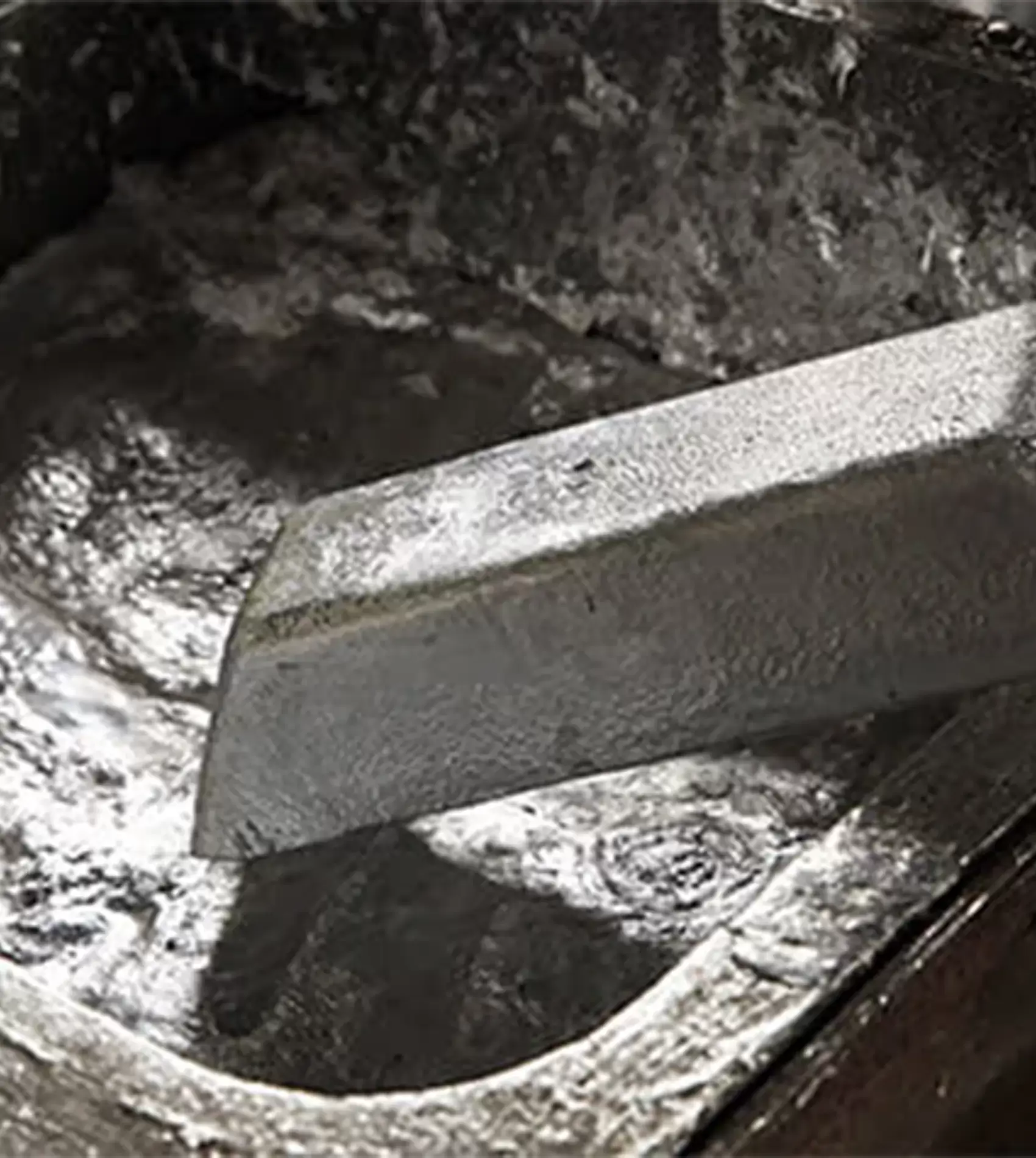
Pressure die casting is a high-precision manufacturing process used to produce complex metal parts by forcing molten metal into a mold cavity under high pressure. This technique, typically used with non-ferrous metals such as aluminum, magnesium, and zinc, ensures excellent dimensional accuracy and a smooth surface finish, making it ideal for producing components with intricate geometries and fine details. The process involves a reusable steel mold, known as a die, which is carefully designed to shape the metal as it cools and solidifies. Pressure die casting is highly efficient, allowing for rapid production cycles and reduced post-casting machining, making it a preferred method in automotive, aerospace, and consumer electronics industries for producing high-quality, durable parts.
Pressure die casting involves injecting molten metal into a mold cavity under high pressure to produce high-precision, complex metal parts.

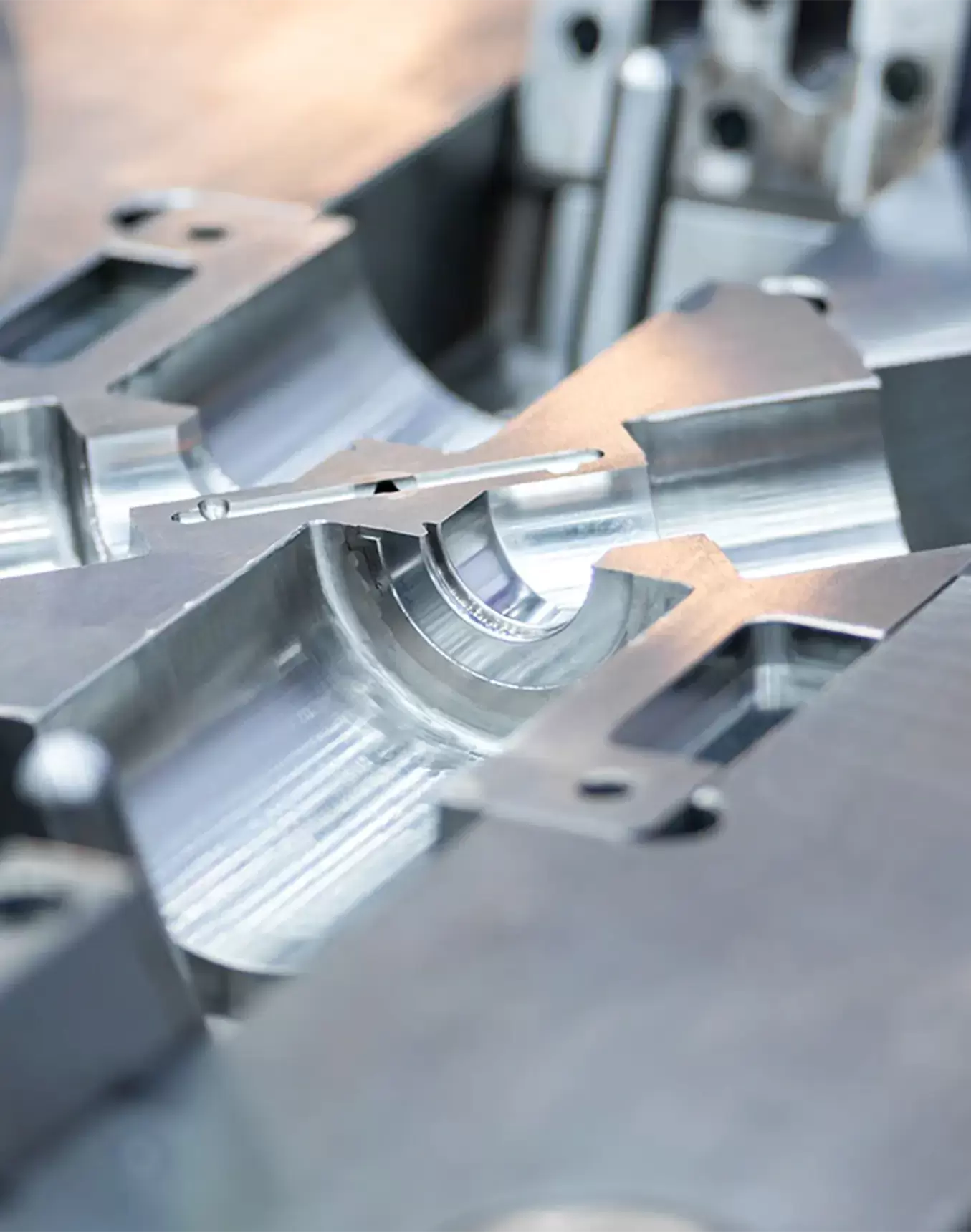
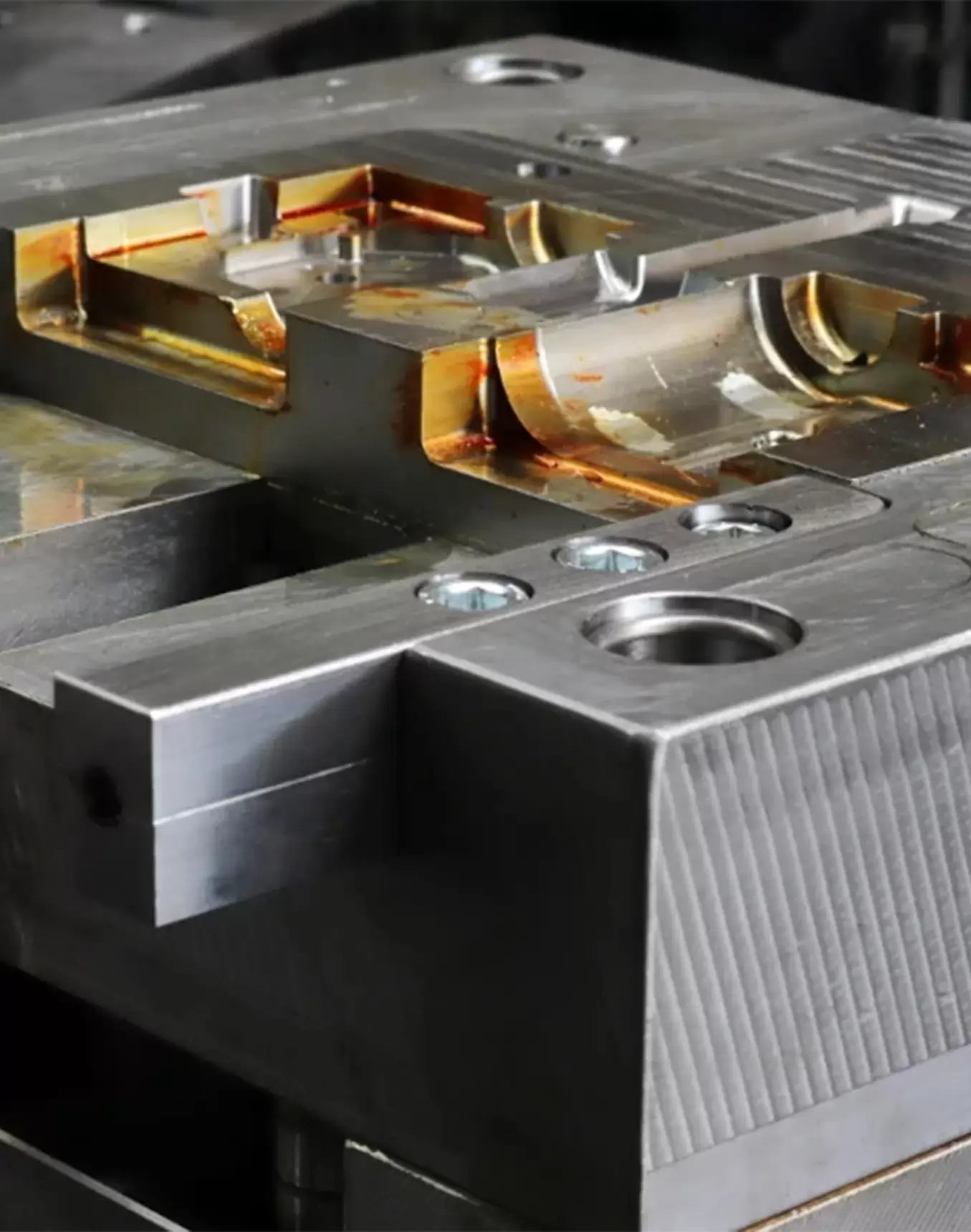
The process begins with the preparation of the die, which consists of two halves: the cover die and the ejector die. The mold is preheated and treated with a lubricant to facilitate metal flow and prevent the metal from sticking to the mold.

Molten metal, typically aluminum or zinc, is injected into the mold cavity under high pressure using a hydraulic piston. This pressure ensures that the metal fills the entire mold cavity quickly and uniformly, minimizing the risk of air pockets and defects.

Once the mold is filled, the metal is allowed to cool and solidify within the mold. Cooling can be enhanced through water or air cooling channels built into the mold. This step ensures that the casting retains the precise shape and dimensions of the mold cavity.

After the metal has solidified, the mold is opened, and the casting is ejected using ejector pins. The casting is then removed from the mold, and any excess material, such as sprues or runners, is trimmed off. Additional finishing processes, such as machining or surface treatment, may be performed to achieve the desired specifications.
Pressure die casting offers high production efficiency, excellent dimensional accuracy, and superior surface finish for complex metal parts.
Contact Us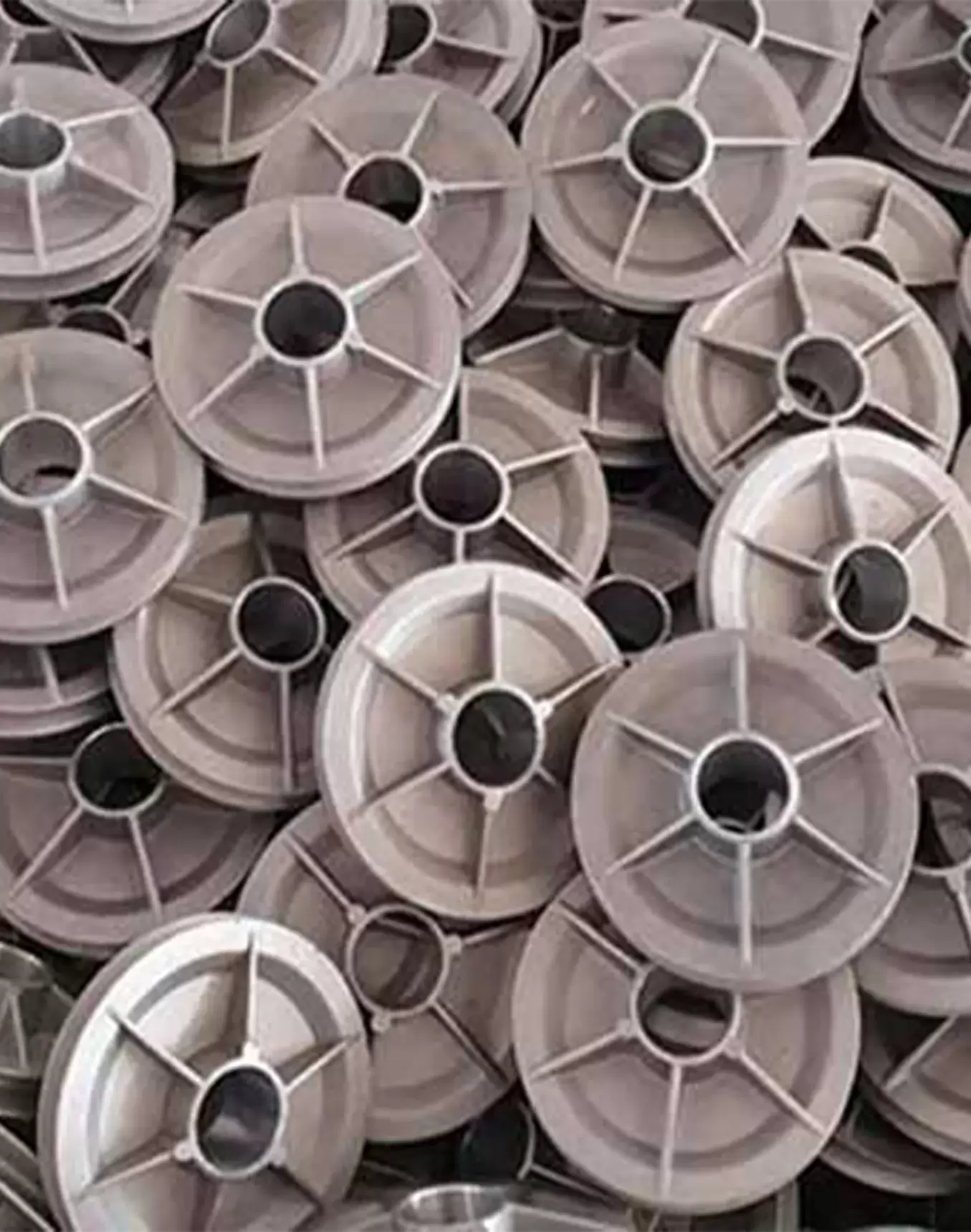
Pressure die casting allows for rapid production cycles, enabling the manufacture of a large number of components in a relatively short time, making it ideal for mass production.
The process produces castings with excellent dimensional precision and smooth surface finishes, reducing the need for extensive post-casting machining and finishing.
Components made through pressure die casting are generally stronger and more durable due to the dense, fine-grained microstructure resulting from the high-pressure injection of molten metal into the mold.