
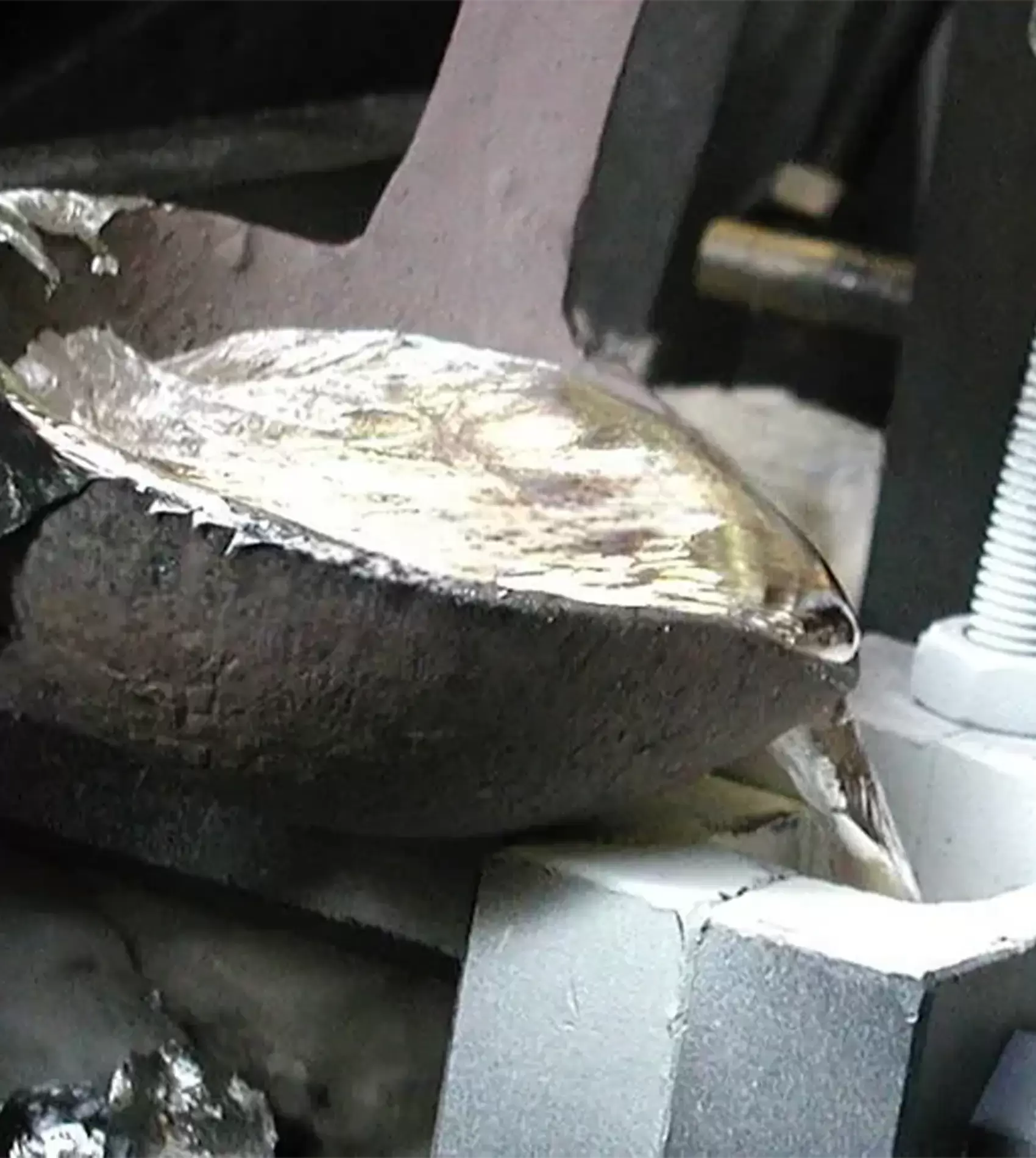
Gravity die casting, also known as permanent mold casting, is a metal casting process where molten metal is poured into a reusable metal mold, typically made of steel or cast iron, under the force of gravity. This method relies on the natural flow of the molten metal into the mold cavity, which results in high-quality, precise castings with excellent surface finish and mechanical properties. The mold halves are typically clamped together, and the molten metal is poured into the mold through a sprue. Once the metal solidifies, the mold is opened, and the casting is removed, ready for finishing processes if needed. Gravity die casting is widely used in the production of various components for automotive, aerospace, and other industries due to its efficiency, cost-effectiveness, and ability to produce complex shapes with tight tolerances.
Gravity die casting involves pouring molten metal into a preheated mold, allowing it to flow naturally, solidify, and form precise components with excellent surface finish.

The process begins with the preparation of the mold, typically made of steel or cast iron, which is designed to create the desired shape of the final casting. The mold is preheated to a specific temperature to ensure proper flow and solidification of the molten metal.

Once the mold is ready, molten metal, usually aluminum or zinc alloys, is prepared in a separate furnace. The molten metal is then poured into the mold cavity through a gating system, allowing it to flow smoothly under the force of gravity.

As the molten metal enters the mold cavity, it starts to solidify and take the shape of the mold. The solidification process is carefully controlled to ensure uniform cooling and avoid defects in the final casting.

After the metal solidifies completely, the mold is opened, and the casting is removed. Any excess material, such as gates and risers, is trimmed off, and the casting may undergo additional finishing processes, such as machining or surface treatment, to achieve the desired final product.
Gravity die casting offers advantages such as high dimensional accuracy, excellent surface finish, rapid production rates, and the ability to produce complex shapes with minimal porosity.
Contact Us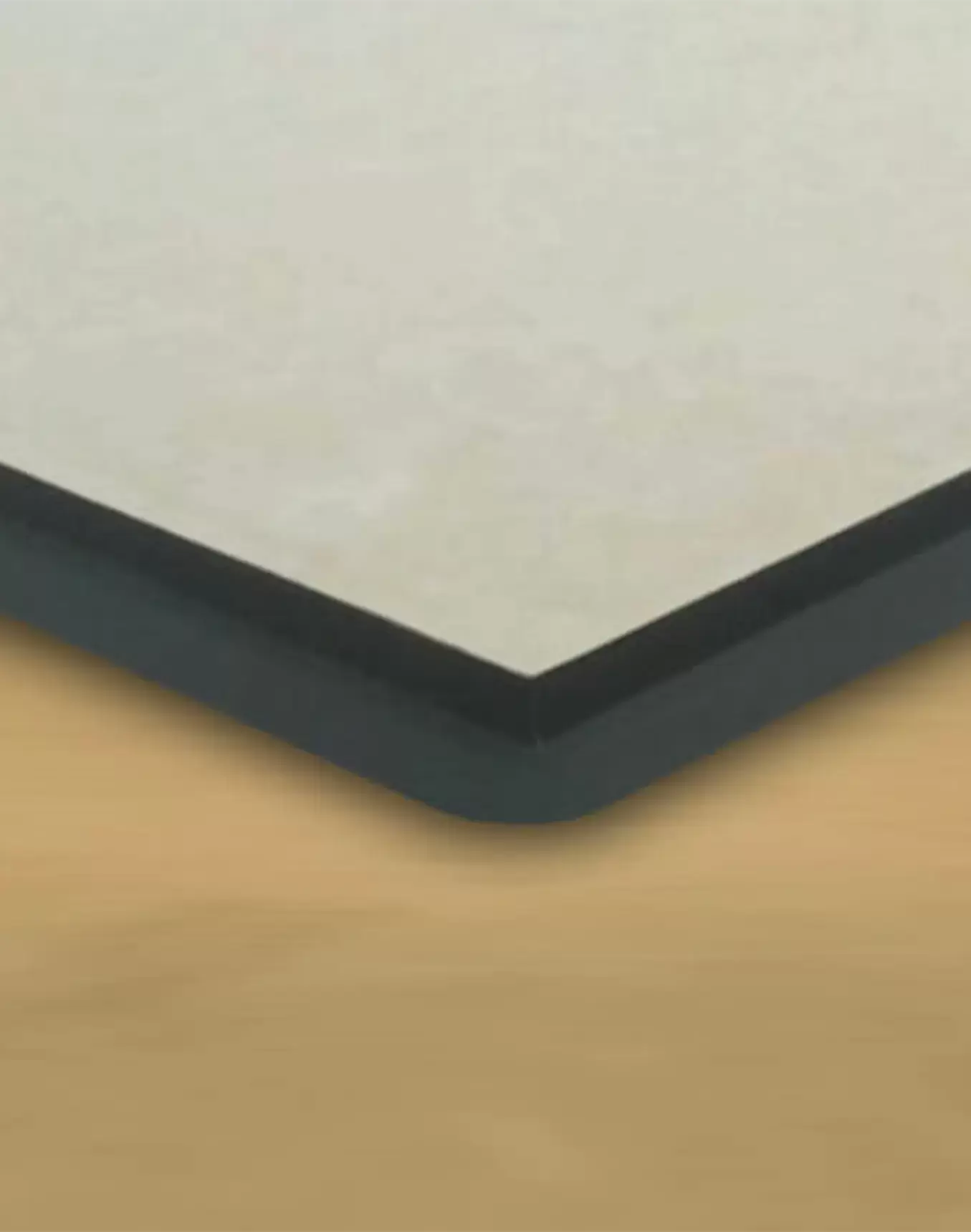
Gravity die casting yields components with exceptional surface smoothness and detail, reducing the need for extensive finishing processes. The controlled flow of molten metal in the mold cavity minimizes surface imperfections, resulting in high-quality finished products.
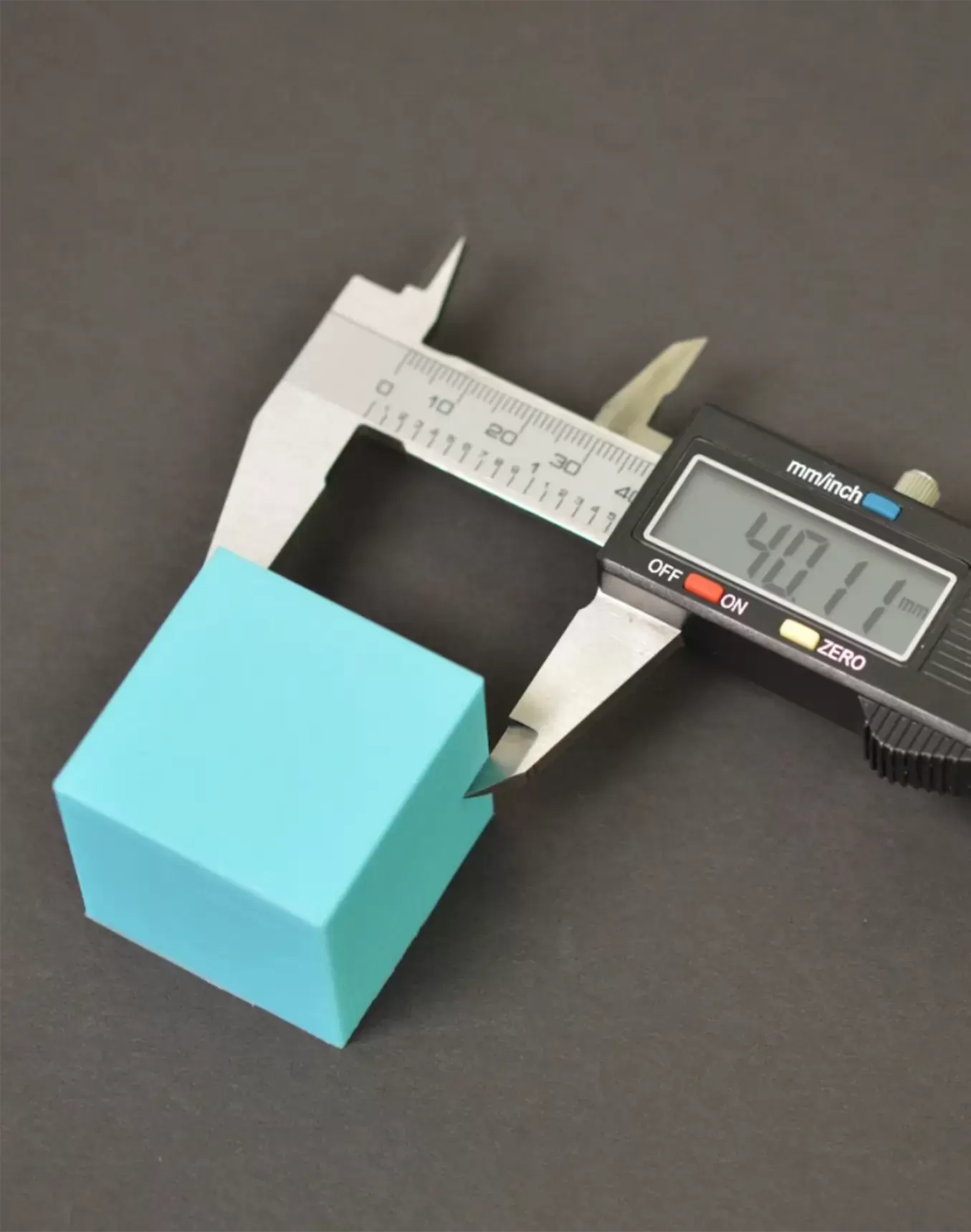
This method ensures precise replication of intricate mold features, maintaining tight tolerances and consistency across multiple castings. The gravitational force facilitates uniform metal distribution, reducing the risk of distortion and ensuring dimensional stability in the final components.
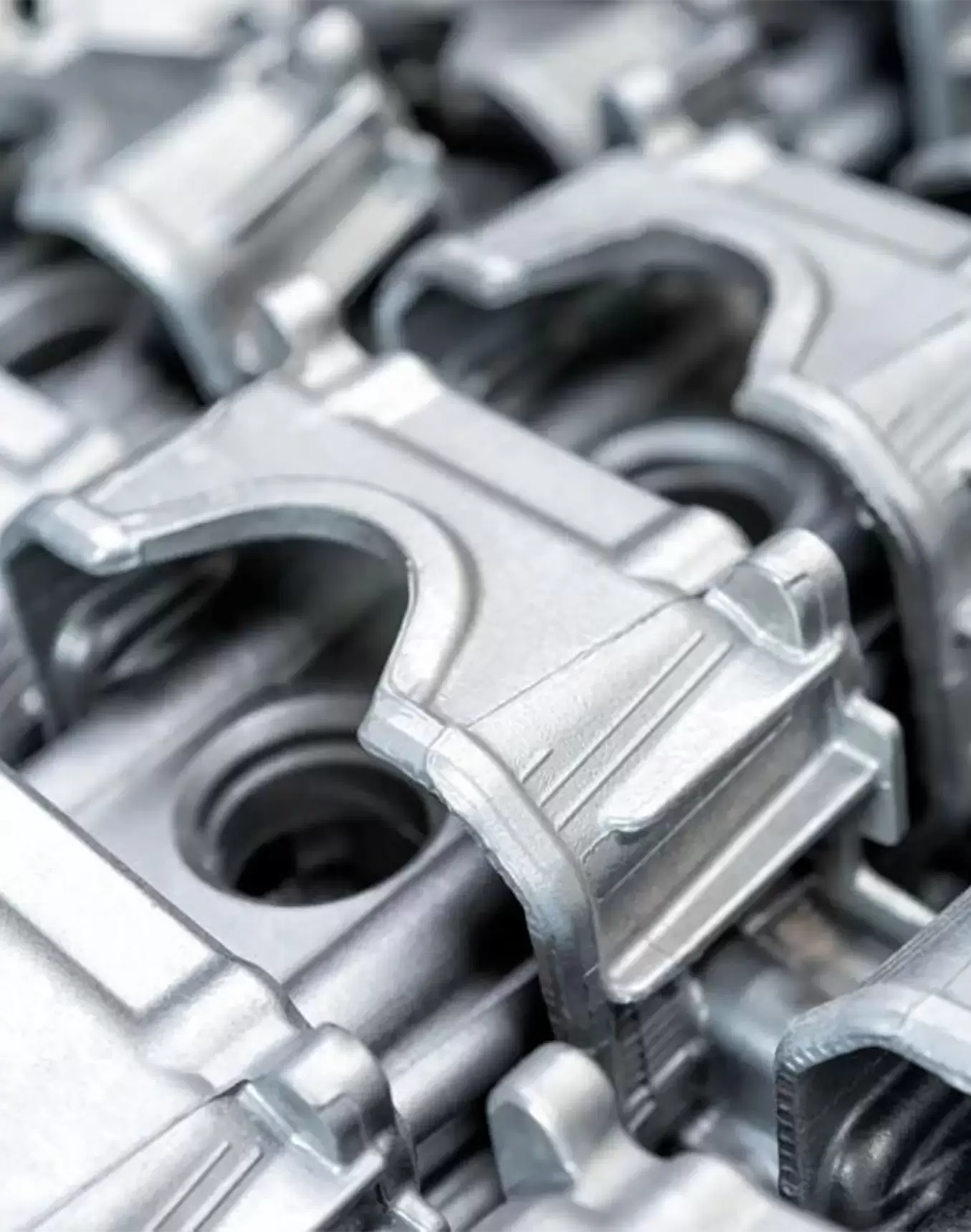
Gravity die casting is well-suited for high-volume production due to its rapid cycle times and minimal material wastage. With shorter lead times and reduced post-casting machining requirements, manufacturers benefit from cost-effective production of complex parts at scale.