
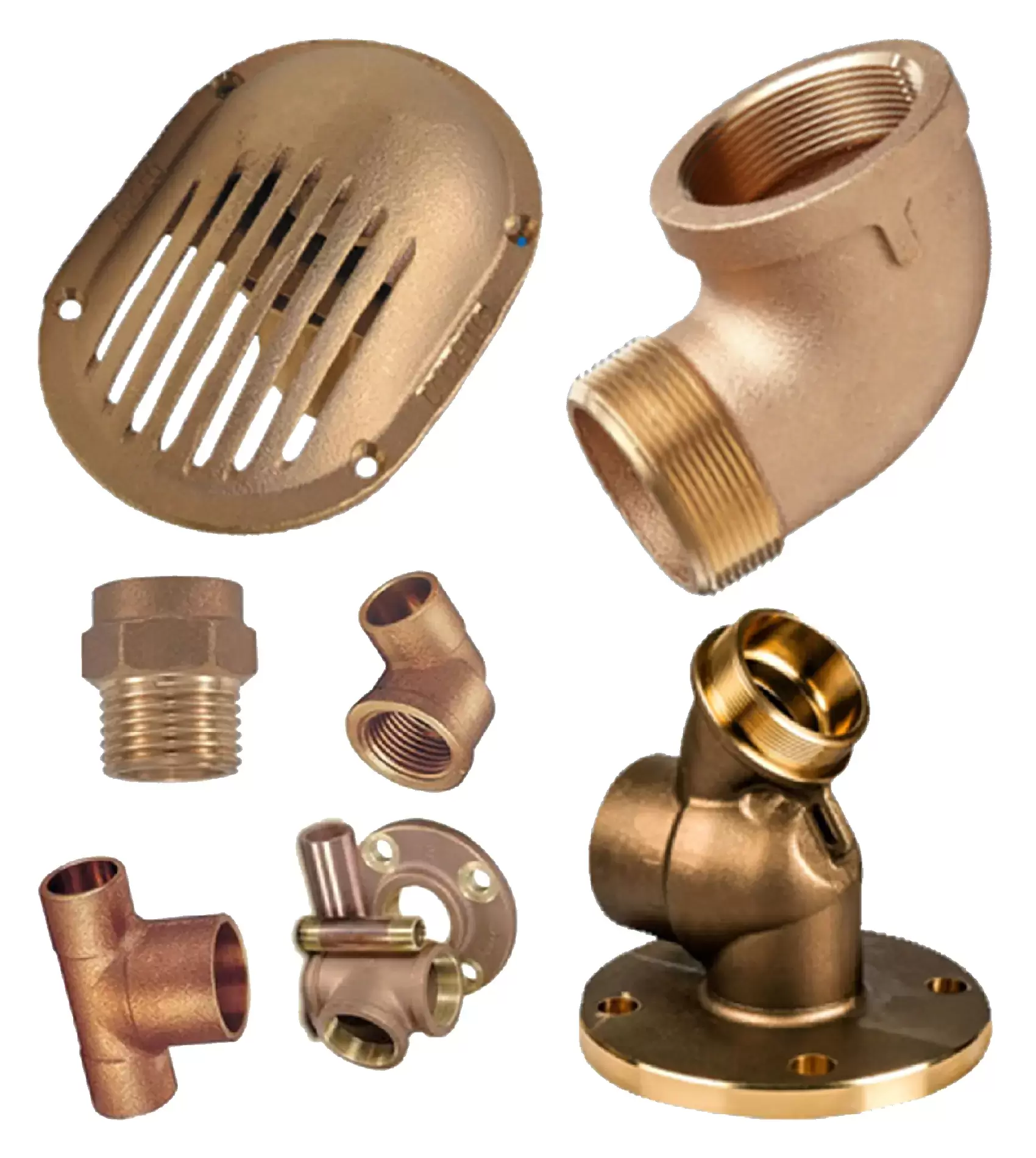
The manufacturing process of bronze casting components involves a meticulous blend of tradition and modern technology, seamlessly intertwining craftsmanship with precision engineering. Beginning with the selection of high-quality bronze alloys, typically comprising copper and tin with additional elements for specific properties, the process progresses through intricate pattern-making, mold creation, and metal casting stages. Skilled artisans meticulously craft intricate patterns, which serve as the blueprint for the final component. These patterns are then used to create molds, either through traditional sand casting methods or modern techniques like investment casting. Molten bronze is carefully poured into the molds, where it solidifies to form the desired shape.
Bronze casting components offer a timeless blend of elegance and durability, ideal for applications requiring both aesthetic appeal and structural integrity
Bronze casting components possess excellent strength and toughness, making them suitable for applications requiring structural integrity and reliability. The addition of alloying elements such as tin, aluminum, and silicon enhances the mechanical properties of bronze, allowing for the production of robust and durable components.
Bronze exhibits superior corrosion resistance, especially in marine and aqueous environments, due to the formation of a protective patina on the surface. This property makes bronze casting components ideal for outdoor and maritime applications where exposure to moisture, saltwater, and atmospheric pollutants is common.
Bronze is known for its excellent machinability, allowing for precision machining and intricate detailing of components with ease. This feature makes bronze casting suitable for producing complex geometries, intricate designs, and customized parts to meet specific requirements in various industries.
Bronze has good thermal conductivity, making it suitable for applications requiring heat transfer or dissipation. Components such as heat exchangers, valve bodies, and bearings benefit from bronze's ability to efficiently conduct heat, thereby enhancing overall system performance and reliability.
Bronze casting components offer excellent wear resistance, particularly when impregnated with solid lubricants or subjected to self-lubricating conditions. This property makes bronze an ideal material for bearings, bushings, and sliding surfaces, where low friction and minimal wear are essential for prolonged service life.
Bronze casting components are valued not only for their functional properties but also for their aesthetic appeal and decorative qualities. The warm, golden hue of bronze, along with its ability to develop a natural patina over time, adds aesthetic value to architectural, artistic, and ornamental applications.

Bronze casting offers sufficient strength for a wide range of applications, including structural and load-bearing components. The mechanical properties of bronze can be tailored through alloying and heat treatment to meet specific strength requirements, providing flexibility in design and application.

Bronze casting allows for the production of intricate, complex shapes with high precision, enabling engineers to optimize component designs for specific applications. This versatility extends to various industries, including marine, automotive, architectural, artistic sectors, where bronze components serve functional, decorative purposes.

Bronze exhibits good thermal conductivity and heat dissipation properties, making it suitable for applications exposed to elevated temperatures. Bronze casting components retain their mechanical integrity and dimensional stability at high temperatures, ensuring reliable performance in demanding thermal environments.