
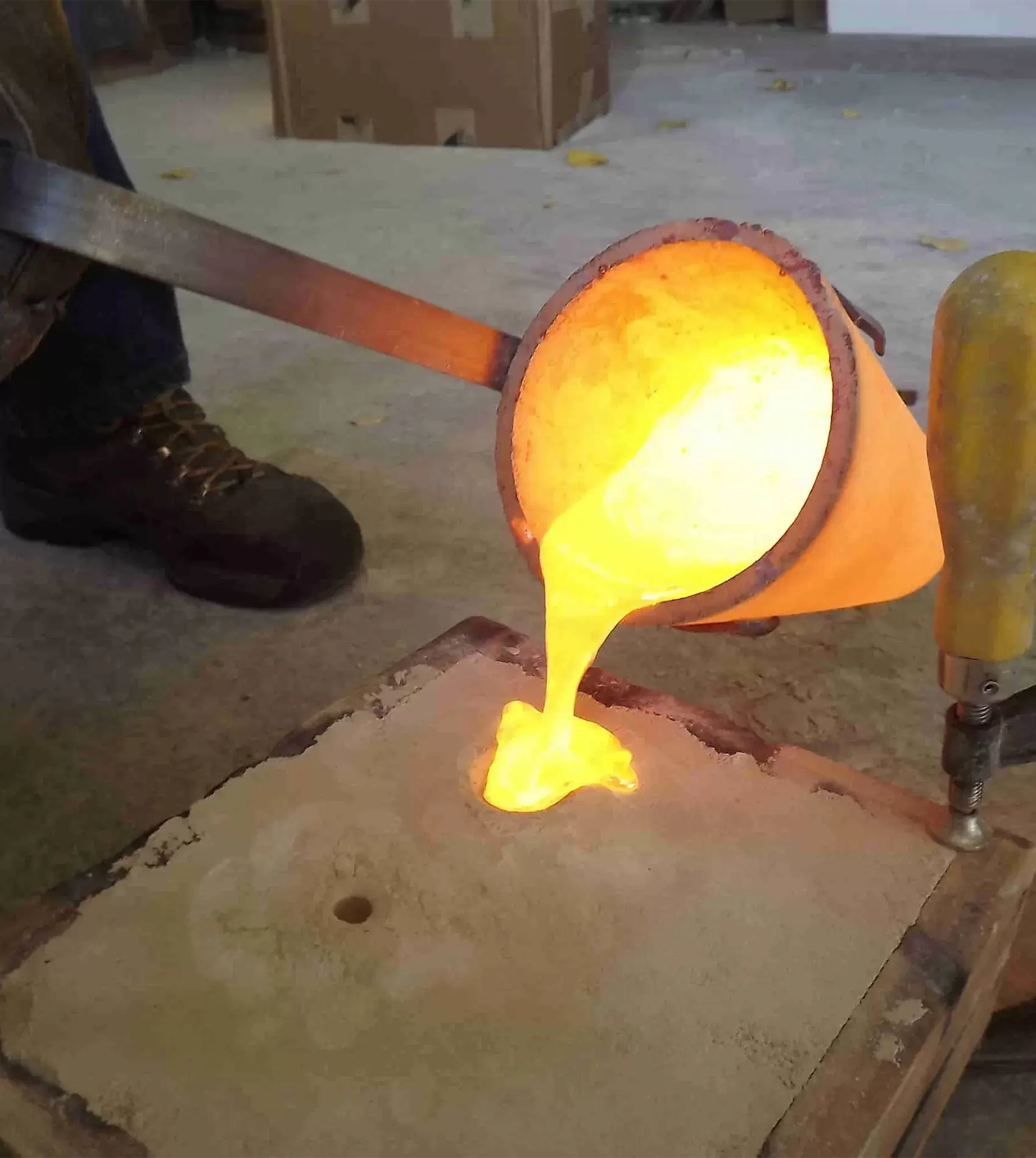
Sand casting, a venerable method of metalworking, begins with the creation of a pattern—a replica of the desired object. This pattern is then pressed into sand, creating an impression or mold. Once the pattern is removed, the resulting cavity is filled with molten metal, typically aluminum, bronze, or iron. As the metal cools and solidifies, it takes the shape of the mold. Afterward, the mold is broken away, revealing the rough casting. This casting undergoes finishing processes such as grinding, sandblasting, or machining to achieve the desired final shape and surface texture. Sand casting's versatility allows for the creation of intricate shapes and large parts, making it a preferred method in various industries, including automotive, aerospace, and artistry. Despite its simplicity, sand casting demands skill and precision to ensure the quality and integrity of the final product.
In sand casting, a mold is created by compacting sand around a pattern, molten metal is then poured into the mold, solidifying to form the desired casting, which is then removed from the mold for finishing.

The process begins with the creation of a pattern, typically made of wood, metal, or plastic, that represents the shape of the final casting. The pattern is usually slightly larger than the desired casting to account for shrinkage during solidification.

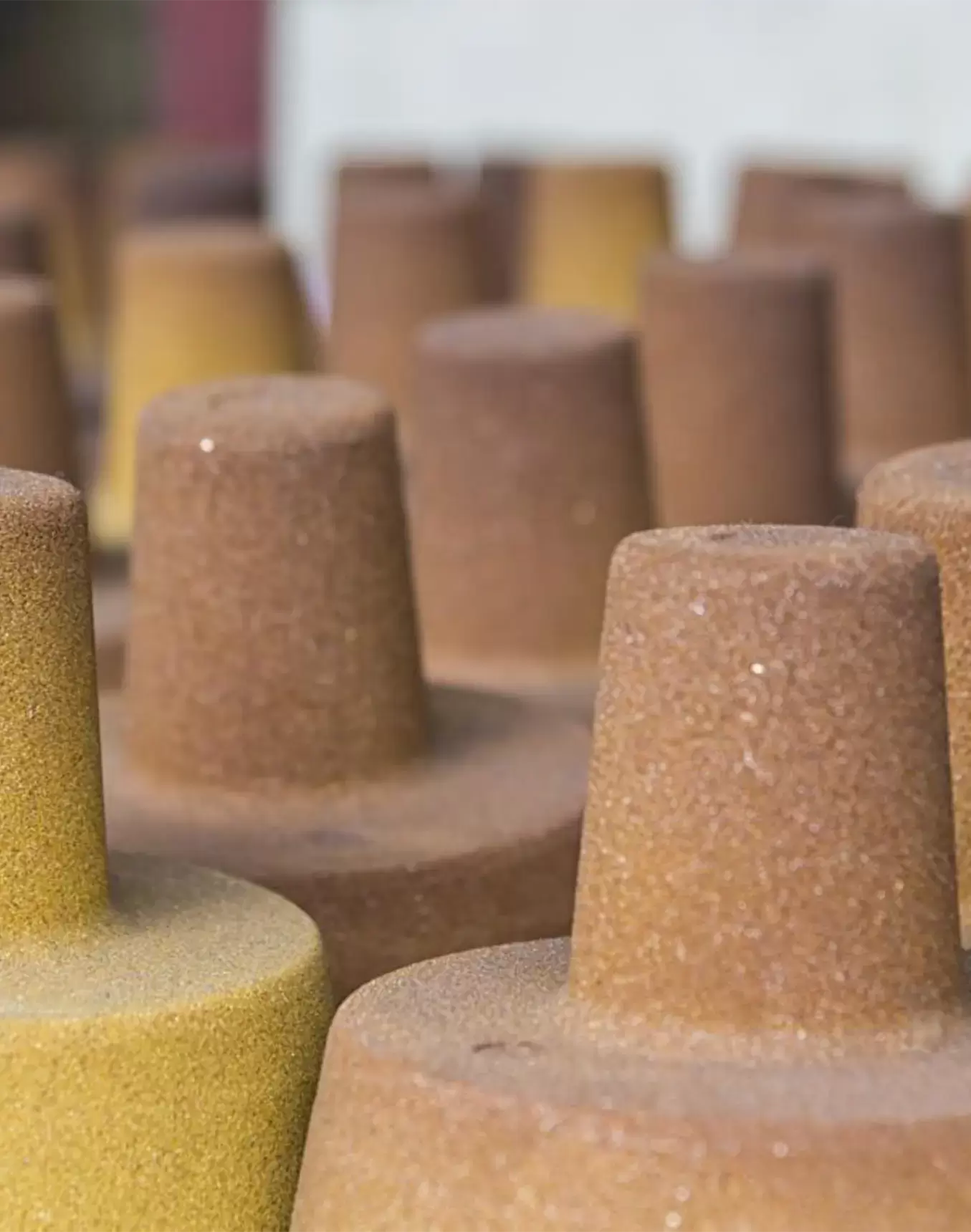
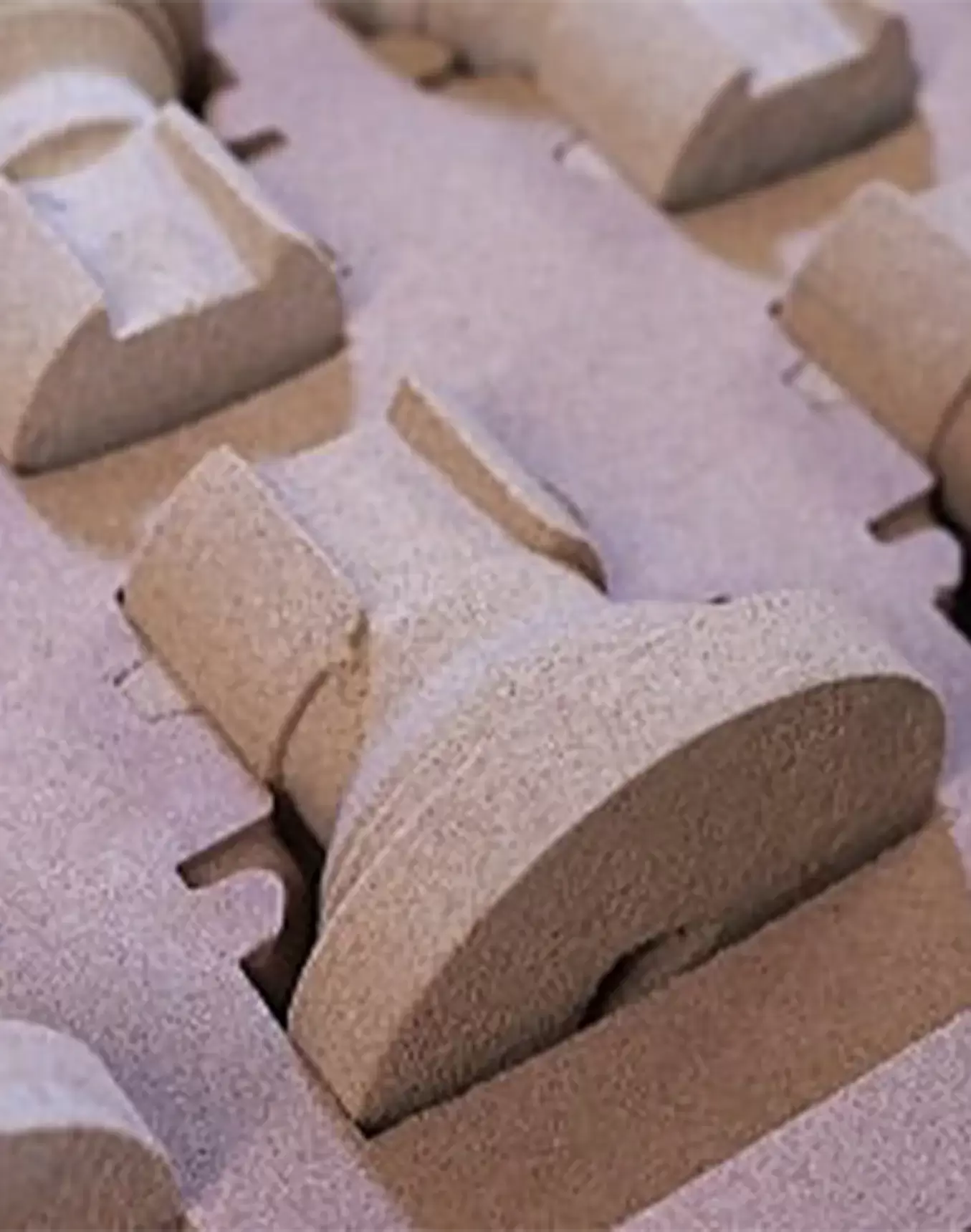
A two-part mold is formed around the pattern using a special molding sand mixture, which consists of silica sand mixed with a binder to hold the sand grains together. The mold is made by packing the sand mixture around the pattern in a flask and then removing the pattern to leave a cavity in the sand.

The mold halves are securely clamped together, leaving a cavity into which molten metal will be poured. Molten metal, typically aluminum, iron, or bronze, is poured into the mold cavity through a sprue, filling the entire space and taking the shape of the cavity.

After pouring, the molten metal is left to solidify and cool within the mold. Once solidified, the mold is opened, and the casting is removed, often with the aid of shakeout equipment to separate the casting from the sand. The casting may undergo further finishing processes such as grinding, machining, and heat treatment to achieve the desired final shape and properties.
Sand casting offers flexibility in design, low tooling costs, and suitability for both small and large production runs, making it a cost-effective method for producing complex metal components.
Contact Us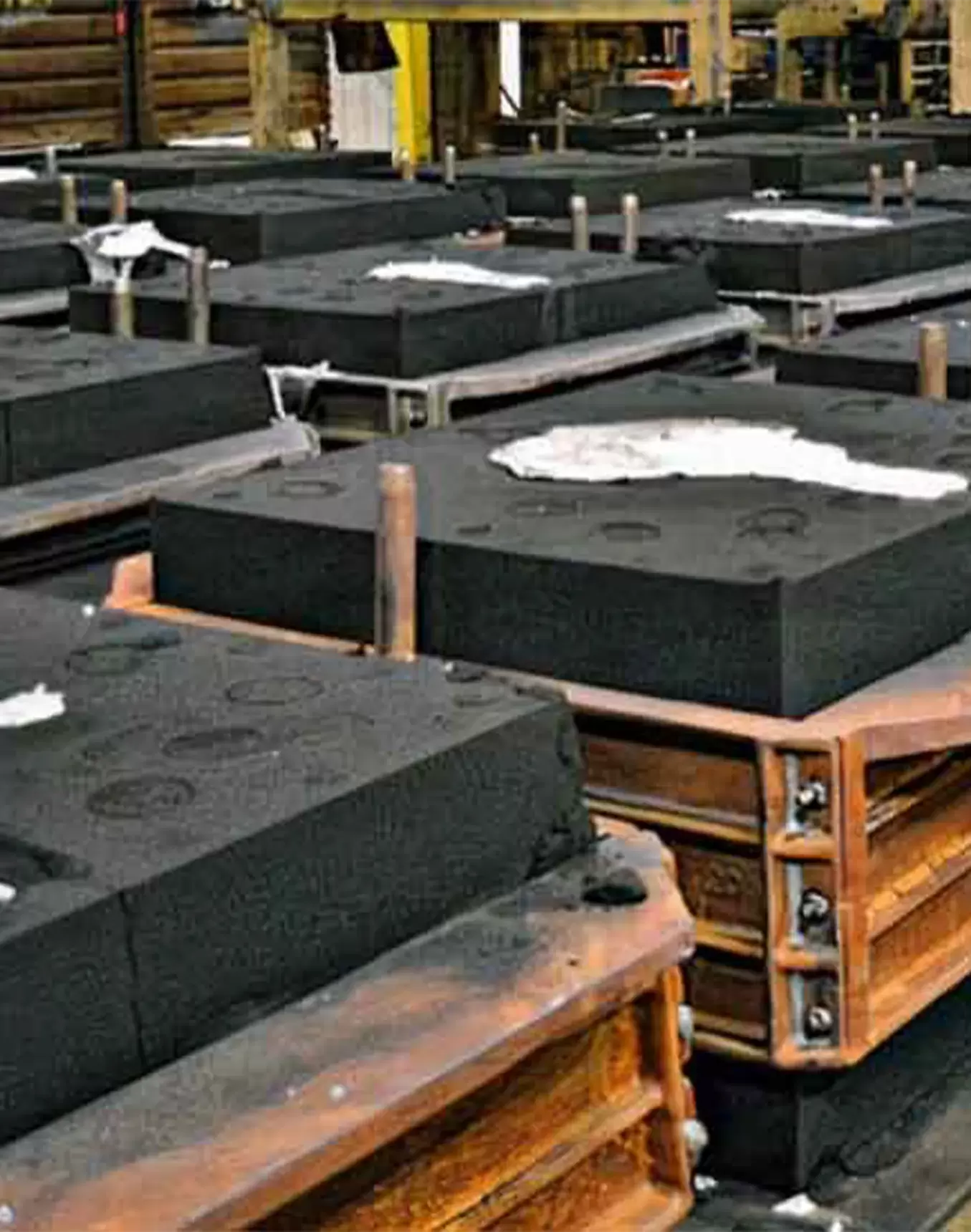
Sand casting accommodates a wide range of materials, including ferrous and non-ferrous metals, as well as alloys, making it suitable for diverse applications across industries. Complex geometries and intricate details can be achieved through sand casting, allowing for the production of various shapes and sizes, from small components to large structures.
Sand casting is a cost-effective manufacturing method, as it requires relatively low tooling costs compared to other casting processes. The readily available and inexpensive materials used in sand casting, such as sand and binders, contribute to its affordability, making it an attractive option for both prototype and production runs.
Sand casting is well-suited for both low-volume and high-volume production, offering flexibility in batch sizes to meet different manufacturing needs. Modifications and adjustments to casting designs can be easily implemented in sand casting, allowing for rapid prototyping and design iterations without significant time or cost implications.