
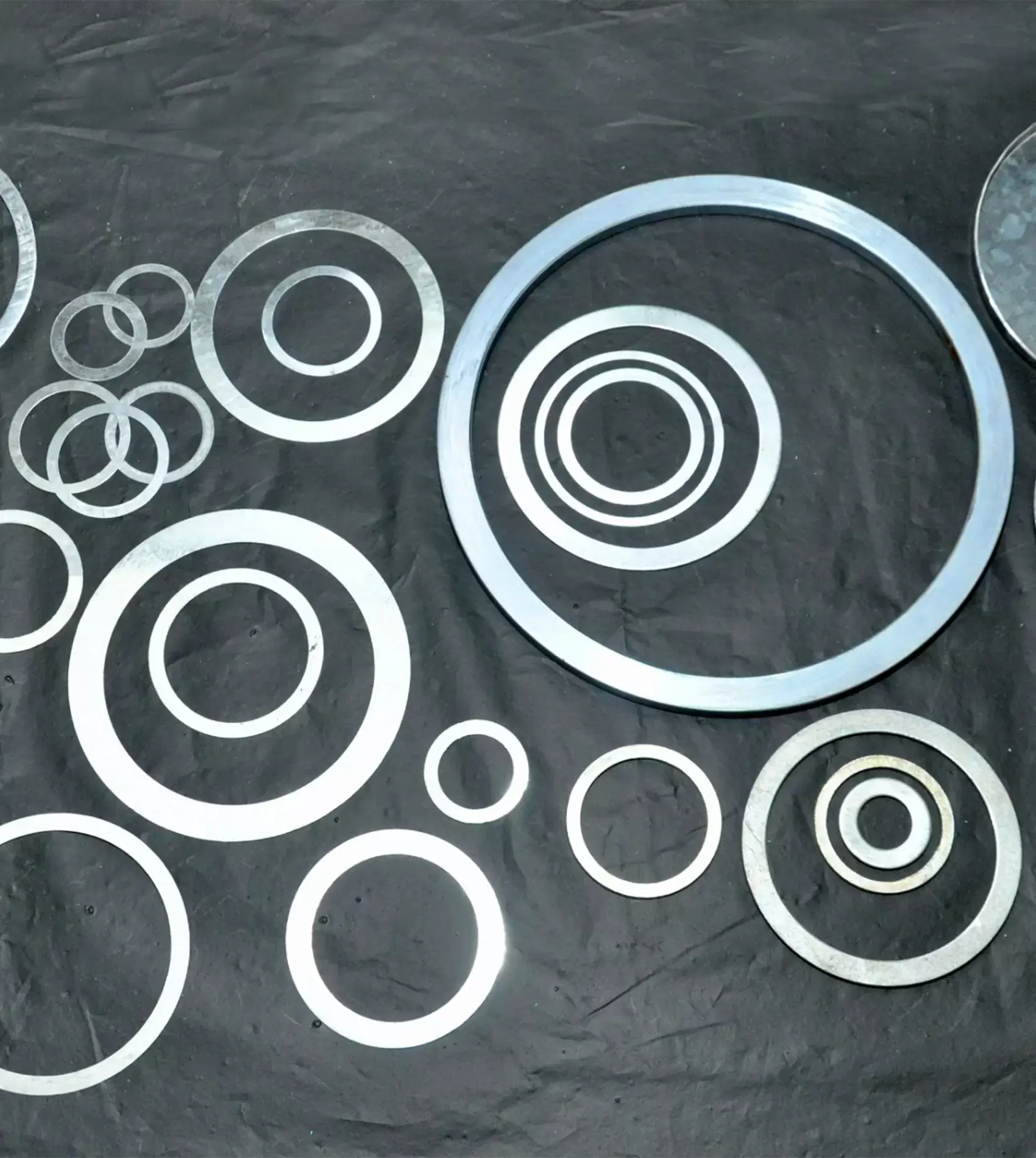
Manufacturing mild steel components involves a precise blend of metallurgical expertise and advanced production techniques. Beginning with the selection of high-quality mild steel, the process encompasses various stages, from cutting and shaping to forming and welding, all executed with meticulous attention to detail. Whether crafting intricate parts for automotive assembly or robust structural elements for construction, manufacturers employ a combination of traditional methods and cutting-edge technology to ensure the integrity and precision of each component. From CNC machining to laser cutting, every step is orchestrated to meet stringent quality standards, resulting in durable, reliable products essential to numerous industries worldwide.
Features of mild steel components include high ductility, ease of machinability, and excellent weldability, making them versatile for various applications.
Mild steel is relatively easy to machine, cut, drill, and weld compared to other types of steel. This makes it a preferred choice for manufacturing various components and structures.
Mild steel is ductile, meaning it can be easily formed into different shapes without fracturing. This property makes it suitable for creating complex components with intricate designs.
Mild steel can be welded easily using various welding techniques such as arc welding, MIG welding, and TIG welding. This allows for the fabrication of large structures and assemblies using mild steel components.
While mild steel is susceptible to corrosion, it can be protected using coatings such as paint, galvanizing, or powder coating. Proper surface treatment can significantly enhance its resistance to rust and corrosion, extending its lifespan.
Mild steel is one of the most cost-effective materials for manufacturing components and structures. Its relatively low cost compared to other types of steel makes it a preferred choice for large-scale production.
Mild steel components find applications in various industries, including construction, automotive, manufacturing, and agriculture. They can be used to fabricate a wide range of products such as beams, columns, pipes, plates, and fittings.

Mild steel is known for its excellent weldability and formability, allowing for easy fabrication of complex shapes and structures. This property is essential for many applications where customization and flexibility are required.

Mild steel components may experience fatigue failure under cyclic loading conditions. Proper design considerations, including the avoidance of stress concentrations and the use of appropriate fatigue design factors, can help mitigate this risk and improve the product's performance over its expected service life.

One of the main drawbacks of mild steel is its susceptibility to corrosion, particularly in harsh environments or when exposed to moisture. Proper surface treatments such as galvanization or painting can significantly improve corrosion resistance and enhance the product's performance in corrosive conditions.