
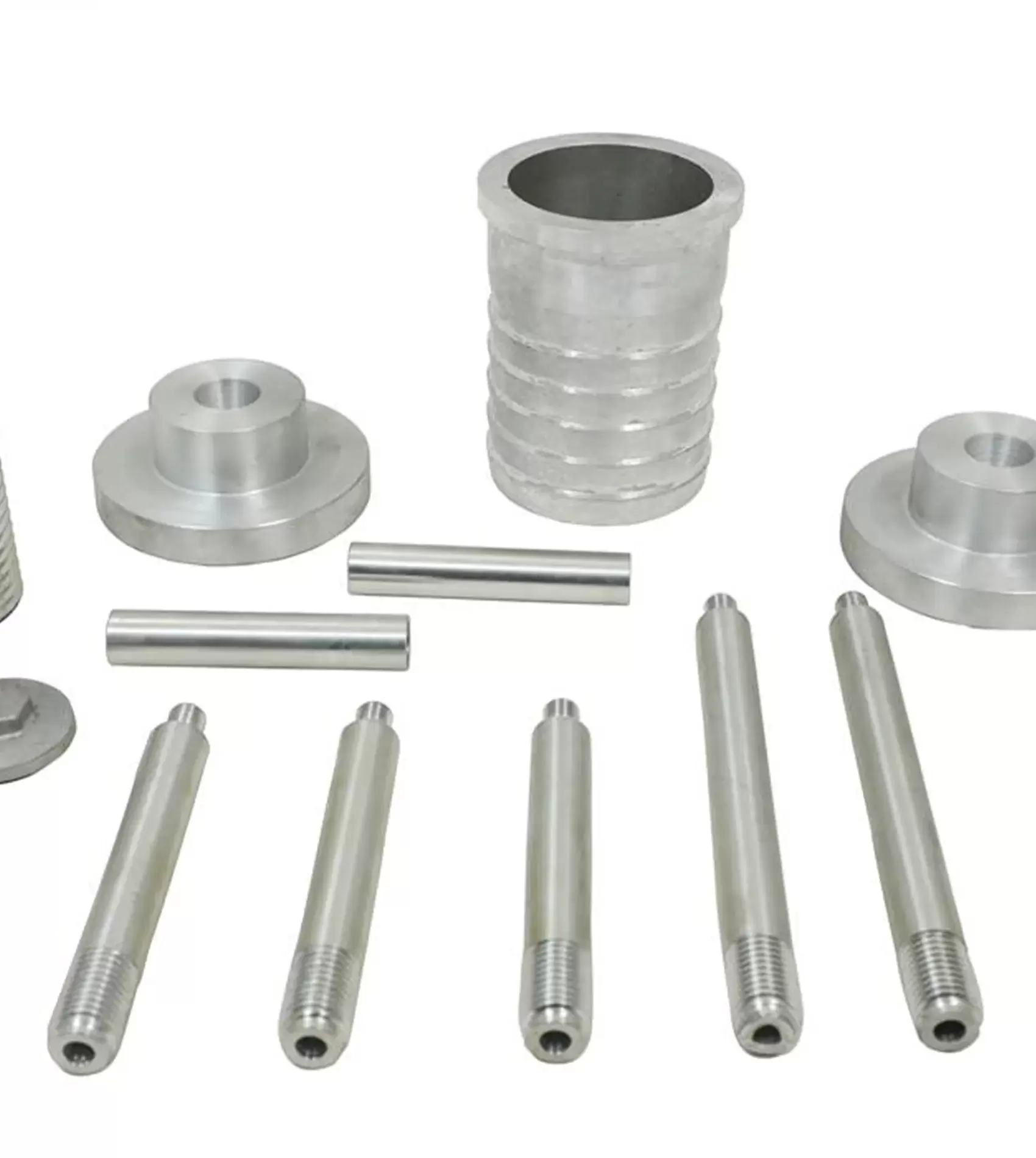
Manufacturing aluminum components involves a meticulous process that blends precision engineering with metallurgical expertise. Beginning with raw aluminum ingots, the material undergoes a series of transformations, typically starting with casting or extrusion to form basic shapes. Subsequent steps may include machining, forging, or stamping to achieve the desired dimensions and surface finishes. Throughout the process, strict quality control measures ensure the integrity of the components, meeting exacting standards for strength, durability, and dimensional accuracy. Modern techniques such as CNC machining and 3D printing have revolutionized aluminum manufacturing, enabling intricate designs and rapid prototyping while maintaining efficiency and cost-effectiveness.
Aluminium components offer lightweight durability, corrosion resistance, and versatile design possibilities for various applications.
Aluminium is lightweight compared to other metals like steel, making it ideal for applications where weight reduction is critical, such as aerospace and automotive industries. Its low density makes it easy to handle and transport.
Despite its lightweight nature, aluminium boasts impressive strength, especially when alloyed with other metals like copper, magnesium, or zinc. This high strength-to-weight ratio makes it suitable for structural applications where strength is crucial.
Aluminium naturally forms a protective oxide layer on its surface, which prevents corrosion in most environments. This inherent corrosion resistance makes aluminium components durable and long-lasting, even in harsh conditions.
Aluminium is an excellent conductor of heat, allowing for efficient heat transfer. This property makes it valuable in applications such as heat sinks for electronic devices, automotive radiators, and HVAC systems.
Aluminium components can be finished with various surface treatments, including anodizing, painting, and powder coating, to enhance their appearance and provide additional protection against wear and corrosion.
Aluminium is 100% recyclable without losing its properties. Recycling aluminium consumes only a fraction of the energy required to produce new aluminium, making it an environmentally sustainable choice.

Aluminium exhibits good durability under various environmental conditions. Proper surface treatments such as anodizing or powder coating enhance its resistance to wear, scratches, and corrosion. However, in highly corrosive environments, additional protective measures may be necessary to prolong the lifespan of aluminium components.

Aluminium inherently forms a protective oxide layer upon exposure to air, which provides corrosion resistance. However, in aggressive environments such as marine or industrial settings and corrosion can still occur over time. Utilizing corrosion-resistant alloys or coatings can mitigate this issue effectively.

Aluminium components possess excellent thermal conductivity, allowing for efficient heat dissipation in applications such as heat exchangers, electronic enclosures, and automotive cooling systems. This property contributes to the overall performance and reliability of systems employing aluminium components.