
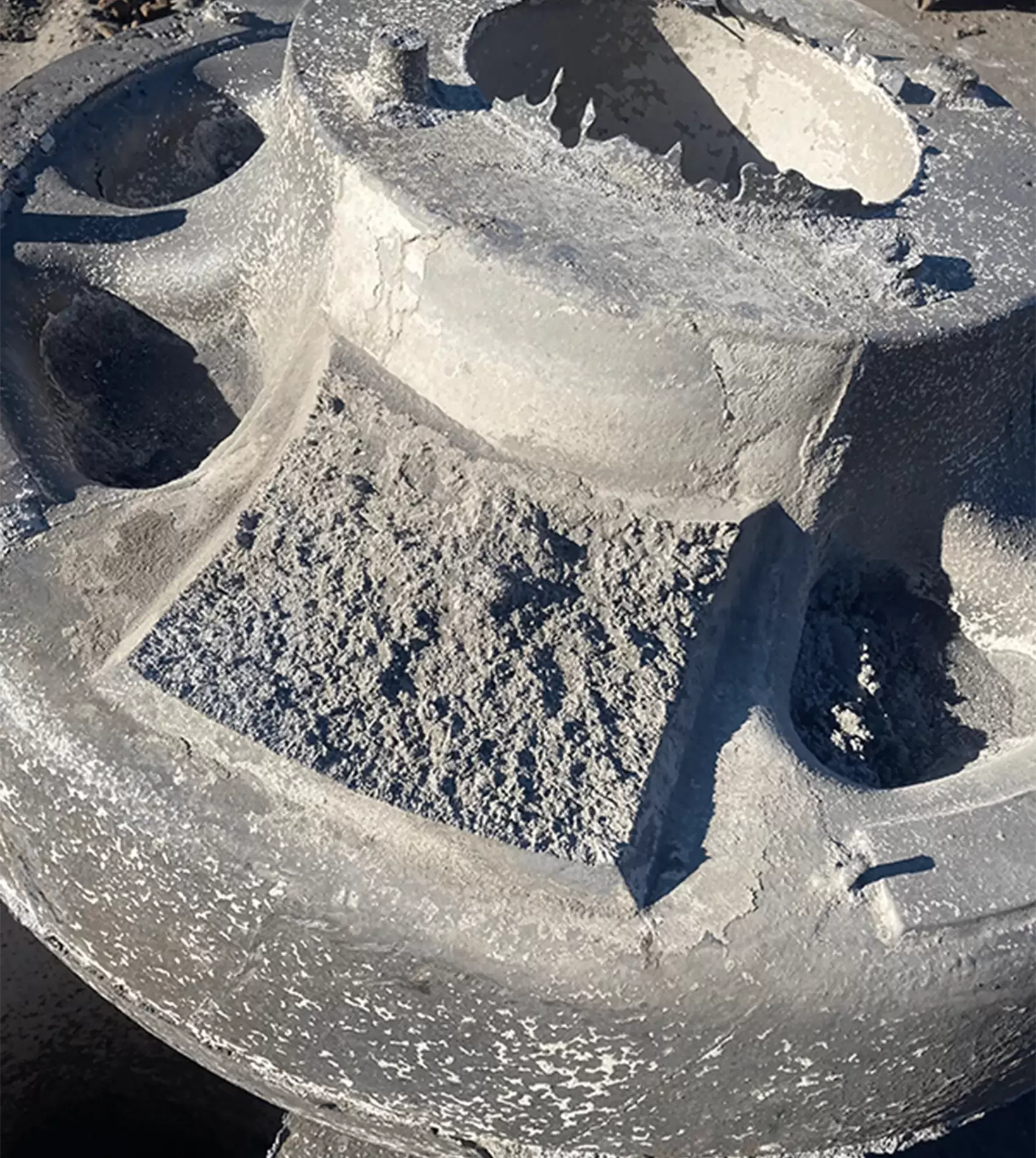
Manufacturing manganese steel casting components involves a meticulous process to harness the unique properties of this alloy, renowned for its exceptional toughness, wear resistance. The manufacturing journey begins with the careful selection of raw materials, typically high-quality manganese, carbon-rich alloys, ensuring precise composition control to achieve desired mechanical properties. Casting, the primary manufacturing method, employs specialized techniques such as sand casting or investment casting to create intricate shapes, structures with high accuracy. Crucially, precise control over pouring temperature, cooling rates during casting is paramount to avoid defects, ensure uniformity in microstructure, which directly impacts the final component's performance.
Stainless steel components offer a variety of features and advantages that make them highly desirable for numerous applications across various industries.
Manganese steel casting exhibits outstanding toughness, allowing components to withstand high impact loads without fracture or deformation. This property is particularly crucial in applications where the equipment operates in harsh environments with frequent impacts or shocks.
One of the most notable features of manganese steel casting is its exceptional resistance to wear and abrasion. This makes it an ideal material for components subjected to abrasive materials, such as rocks, minerals, and sand, commonly encountered in mining, crushing, and earthmoving equipment.
Manganese steel has the unique ability to work-harden under impact, meaning it becomes harder and tougher as it is subjected to repeated impacts or pressure. This phenomenon enhances the wear resistance of components over time, extending their service life and reducing maintenance requirements.
Components made from manganese steel casting are capable of absorbing high-energy impacts without permanent deformation or failure. This feature is critical in applications where equipment is exposed to heavy impacts, such as crusher liners, shredder hammers, and railway crossing components.
Manganese steel exhibits good resistance to corrosion in typical atmospheric conditions, making it suitable for outdoor applications without the need for additional protective coatings. However, in more aggressive environments, such as marine or chemical processing facilities, supplementary corrosion protection may be required.
Despite its premium properties, manganese steel casting remains a cost-effective solution for many applications due to its extended service life, reduced downtime, and lower maintenance costs compared to alternative materials.

Manganese steel casting components exhibit good heat resistance, retaining their mechanical properties at elevated temperatures commonly encountered in industrial processes such as metal smelting and casting. This property enhances the reliability and longevity of components operating in high-temperature environments.

Manganese steel casting components excel in withstanding high-impact forces encountered in applications such as crushing, shredding, and earthmoving equipment. Their ability to absorb energy without catastrophic failure or deformation ensures reliable performance and minimizes the risk of unplanned downtime due to component failure.

Manganese steel casting components demonstrate outstanding durability in demanding environments, including mining, construction, and industrial machinery. They exhibit minimal deformation or cracking even under prolonged exposure to high-stress conditions, contributing to extended service life and reduced maintenance requirements.